Financing the gap between a storm surge and the insurance payout
Crews can mobilize on a damaged roof in days. The insurance check often takes weeks or months. Working capital is what bridges that gap.
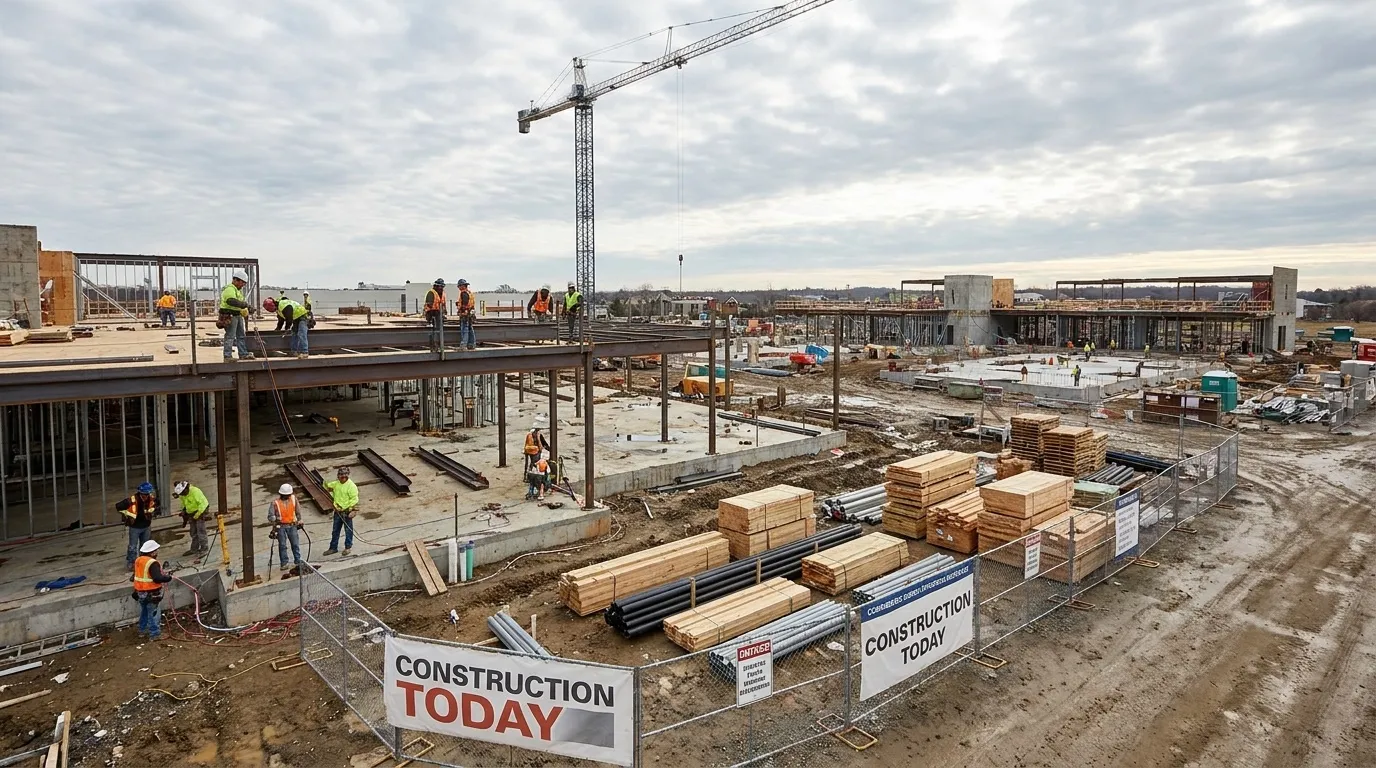
A hailstorm or major wind event can generate weeks of backlog overnight, and roofing contractors who can mobilize quickly are well positioned to capture that demand. The constraint that actually limits how much storm work a contractor can take on is rarely labor or materials availability alone — it’s the cash to front payroll and materials while waiting on insurance claims to pay out.
Why the payment timing is the real bottleneck
Insurance-restoration jobs typically pay in stages tied to the claim process — an initial payment, sometimes a supplement after a revised scope, and a final payment on completion — and the time between starting work and collecting the full amount can run considerably longer than a standard cash-pay reroofing job. A contractor financing payroll and materials out of pocket across several active claims at once can find their cash position stretched thin even while the business itself is profitable on paper.
Where working capital fits
A working-capital line of credit sized to cover the gap between job start and insurance payout lets a contractor take on more storm work without rationing cash across active jobs. Unlike a long-term equipment loan, these lines are meant to be drawn and repaid repeatedly as claims pay out — the cost is in the APR and any draw fees, which is why shopping multiple lenders on total cost, not just the headline rate, matters more here than on a one-time purchase.
What lenders actually look at
Lenders extending working capital to roofing contractors generally weigh receivables aging (how long claims typically take to pay), the contractor’s mix of cash-pay versus insurance work, and time in business more heavily than they would for a steady-demand trade — the seasonal revenue swing that’s normal for roofing can look like volatility to a lender unfamiliar with the business model, so a clear explanation of the storm-season cash cycle in a financing application can meaningfully help approval odds and terms.
Sizing the line to the season, not the year
A line sized for an average month understates what’s needed during an active storm season and oversupplies cash the rest of the year. Contractors who track how much working capital their busiest historical month actually required have a much better basis for sizing a credit line than contractors estimating from an annual average.
Bottom line: the cash gap between mobilizing crews and collecting on insurance claims is the real constraint on how much storm work a contractor can take — a properly sized working-capital line is what removes that ceiling.