Underlayment and decking lead times are the bid-killer nobody schedules for
Shingles get the pricing headlines. Decking and underlayment availability is what actually determines whether a crew shows up on the day promised.
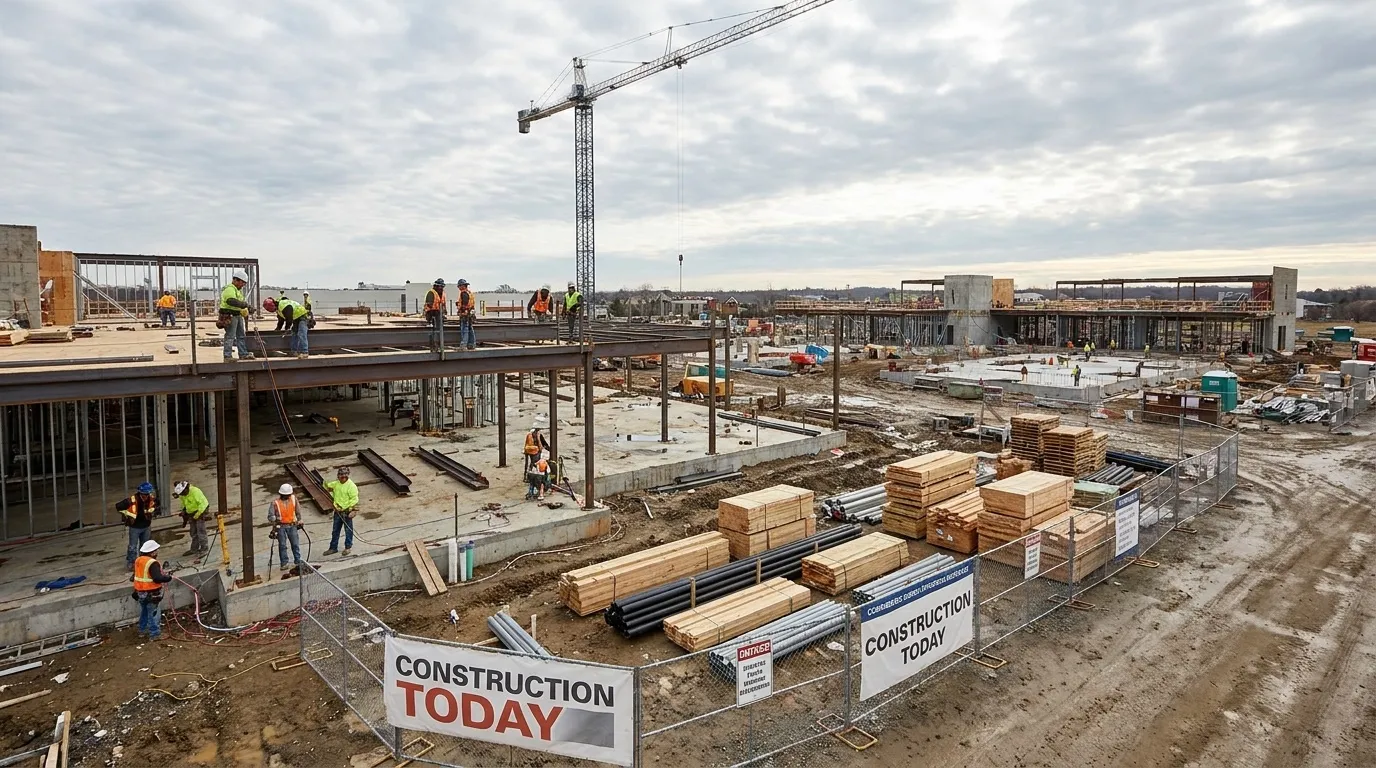
Shingle pricing draws most of the attention in materials conversations, but the line items that more often blow a schedule are decking lumber and underlayment — products with less price volatility but more variable lead times, especially during a regional surge in reroofing demand after a storm.
Why these items lag differently than shingles
Shingles are typically stocked in volume by regional distributors and manufacturers because they’re the highest-velocity product in the category. Decking plywood or OSB and certain underlayment products carry thinner local inventory buffers, which means a sudden spike in regional demand (the kind a hailstorm reliably produces) can create a lead-time problem on these items well before shingle supply itself tightens.
The schedule risk this creates
A roofing crew that shows up to a job and finds decking material isn’t on-site yet is an expensive idle day — labor cost without offsetting progress, and a homeowner (often dealing with active storm damage) watching the delay happen in real time. Contractors who order shingles early but treat decking and underlayment as an afterthought are the ones who eat this cost most often.
Building a materials sequence that holds up
The practical fix is ordering the full materials package — decking, underlayment, flashing, and shingles — at the same time, confirmed against the actual schedule date, rather than ordering each category as the job approaches. During a regional storm surge, checking with the distributor on decking and underlayment lead times specifically, not just shingle availability, avoids a schedule built on the wrong assumption.
What to tell the customer
Homeowners and adjusters scheduling around an active claim want a firm date. Contractors who build in a materials-confirmation buffer before committing to a start date — rather than promising a date and then renegotiating it when decking is late — protect the relationship and the schedule at the same time, even if the quoted date is a few days later than a customer initially wants to hear.
Bottom line: shingles aren’t usually the materials risk that blows a job’s timeline. Decking and underlayment lead times, especially after a storm, are — confirm the full package before you confirm the date.