Hiring for storm season without overstaffing for the slow months
The crews that win the surge are usually the ones that planned their labor model for it months in advance, not the week the first hailstorm hits.
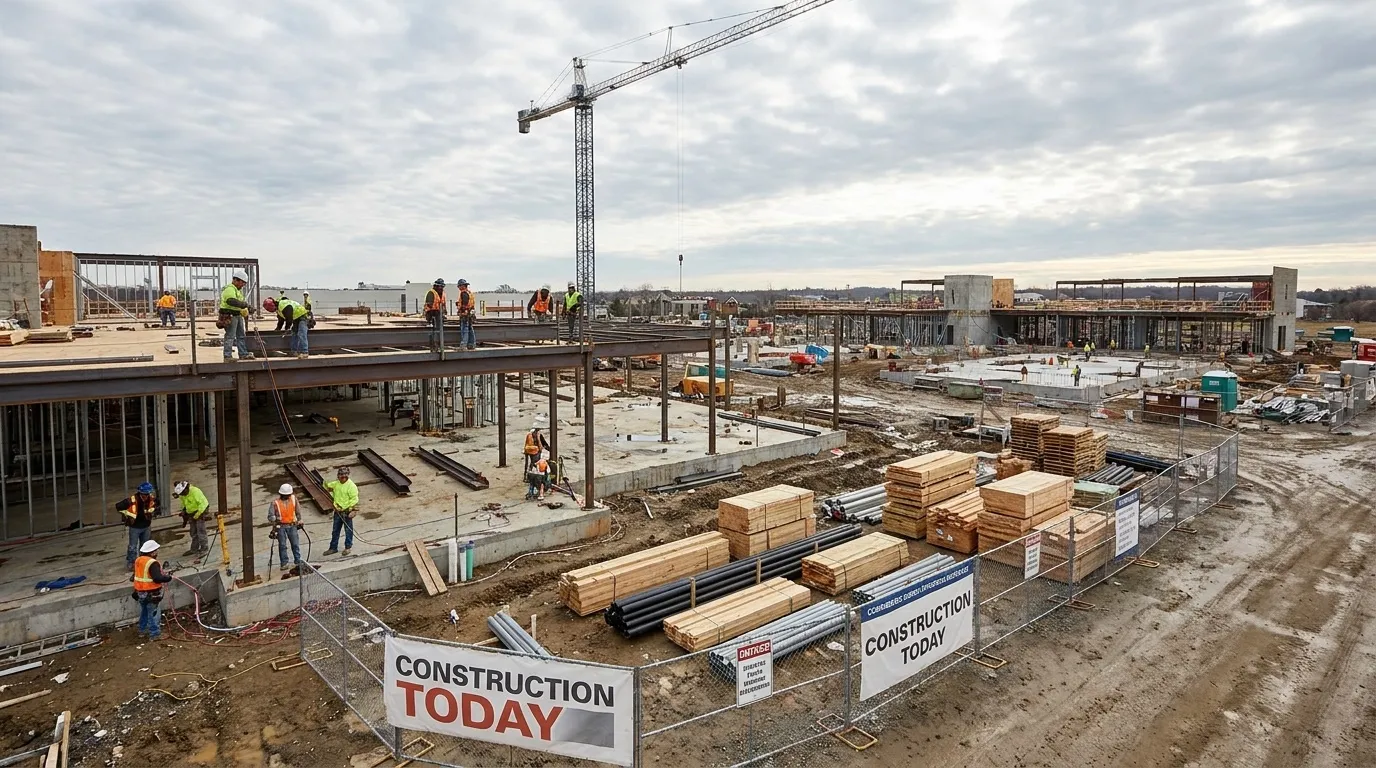
Roofing demand is lumpy in a way few other trades experience — a single major hailstorm or hurricane can generate months of backlog in a single market, followed by a stretch where that same market has comparatively little work. Staffing for the average week instead of the actual demand curve is one of the more common ways roofing contractors leave money on the table during a surge, or bleed cash carrying excess crew through a slow stretch.
The core staffing tension
A crew sized for steady-state demand can’t absorb a storm surge without turning away work or stretching timelines past what insurance-restoration customers (often dealing with active leaks or tarped roofs) will tolerate. A crew sized for peak storm season is expensive to carry through the months when that demand isn’t there. Most established contractors land somewhere in between: a core year-round crew plus a flexible layer that scales up for the surge.
Where the flexible layer actually comes from
Subcontractor crews, seasonal hires, and labor-sharing arrangements with contractors in markets that aren’t currently in a storm cycle are the three most common ways roofing companies add capacity quickly. Each comes with a tradeoff — subs are fast to bring on but harder to guarantee for quality and licensing consistency; seasonal hires take training time crews don’t always have during a surge; cross-market labor sharing works only if your network actually has slack capacity when you need it, which isn’t guaranteed.
What separates contractors who scale well
Contractors who handle surges well generally have pre-vetted subcontractor relationships in place before the storm hits, not scrambled together after — a sub crew with unverified licensing or insurance is a liability multiplier during exactly the season when claim volume and scrutiny are both elevated. They also tend to have a standing seasonal-hire pipeline (former crew, referrals, local trade-school relationships) they can activate quickly rather than starting recruitment from zero each spring.
The retention problem on the back end
The flip side of scaling up fast is scaling down without losing the people worth keeping. Contractors who treat seasonal crew as fully disposable tend to find the same good workers don’t come back the following year — a modest off-season retainer, a guaranteed call-back commitment, or off-season smaller-job work for a subset of the crew keeps the best of that seasonal layer available when the next surge comes.
Bottom line: the labor plan that wins storm season is built in the off-season — vetted subs, a warm seasonal pipeline, and a reason for good seasonal workers to come back next year.